WHY PAINT CORRECTION MATTERS FOR YOUR VEHICLE
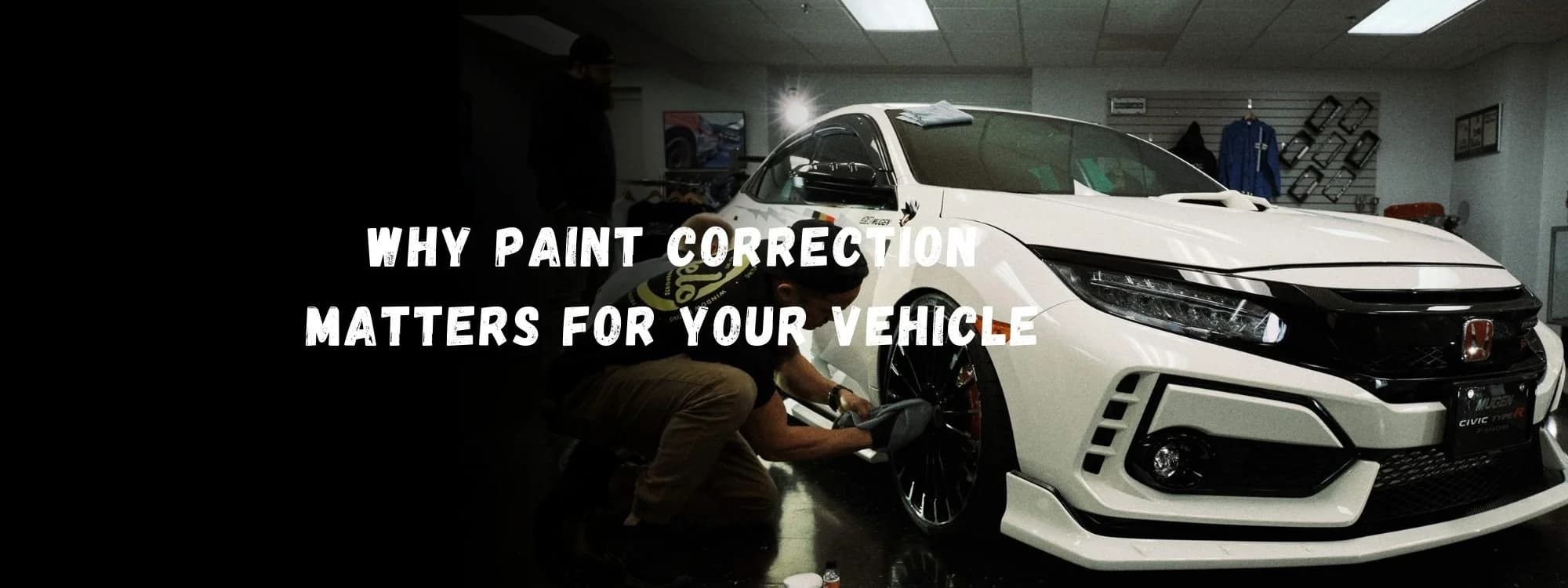
At Yelo Autosports in the Twin Cities, paint correction is one of the most misunderstood services we offer. Half our intake conversations start with someone who thinks they need a 'buff and polish' — but what they actually need is something different.
Here's how we explain it.
WHAT DOES PAINT BUFFING MEAN — AND HOW IS IT DIFFERENT FROM A TRUE PAINT CORRECTION?
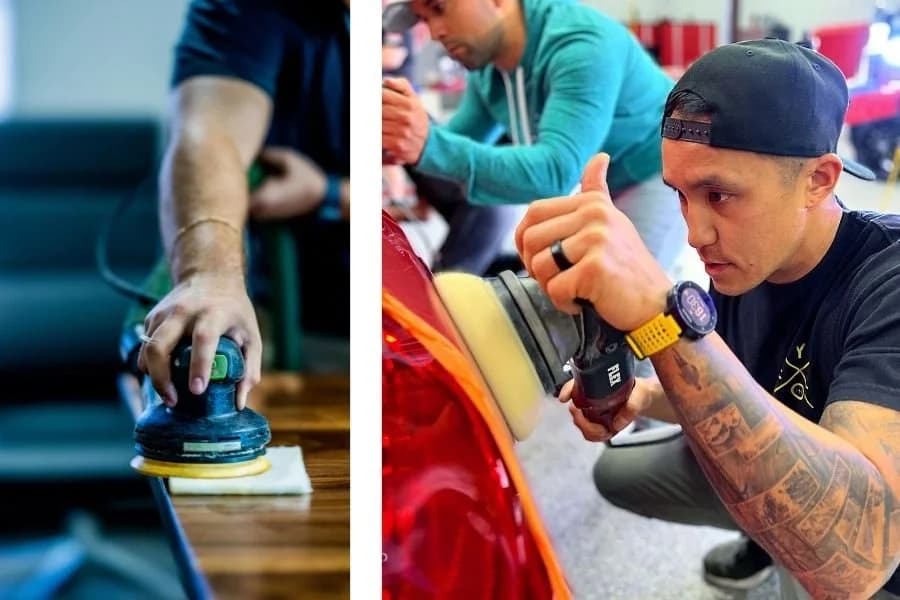
Buffing means using a dual-action or rotary tool to refine the paint by removing a microscopic layer of clear coat. That's it. It's a single mechanical step.
True paint correction involves multiple phases: cutting/buffing removes surface defects (scratches, swirl marks, oxidation), and polishing maximizes clarity and gloss. The two-step process is what delivers a finish that genuinely looks brand new — not just temporarily glossy.
HOW PAINT DEFECTS AFFECT THE OVERALL LOOK OF THE CAR
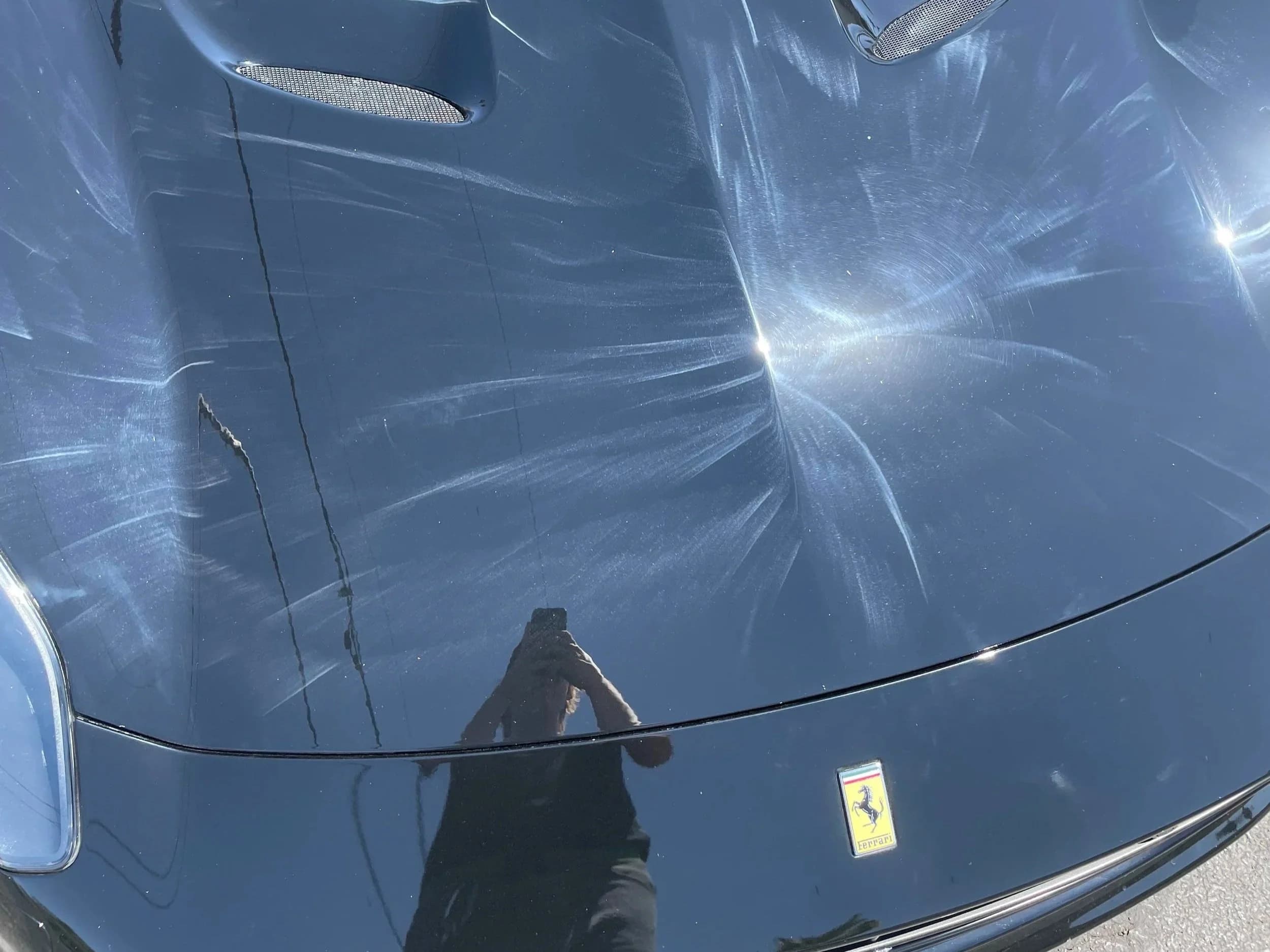
Surface imperfections — swirls, scratches, oxidation, sap stains, salt spots — distract from your paint's true color and gloss. The eye notices imperfections before it notices depth.
Professional correction safely removes those distractions. A defect-free finish lets the eye focus on the actual color and shine of the paint instead of bouncing across micro-scratches. Cars look dramatically more vibrant under natural sunlight after correction.
WHY INEXPERIENCED POLISHING CAN PERMANENTLY DAMAGE PAINT
Yelo has 10+ years specializing in paint correction and international training in how paint actually behaves under different abrasive systems. Inexperienced work can cause paint burn, excessive clear coat thinning, or hologram damage — all of which require professional correction or full repaint to fix.
Professional technique safely maximizes results while preserving clear coat integrity and long-term paint health. The wrong pad with the wrong compound on the wrong panel destroys cars.
WHY MIGHT A NEW CAR STILL NEED CORRECTION?
Brand new vehicles encounter multiple touchpoints before delivery — manufacturing, shipping, dealership prep, test drives. Dealership detailing staff almost always lack proper training and create swirl marks during 'wash and wax' delivery prep.
It's common for a new car to arrive with surface defects that a professional detailer can identify and correct. Catching it before applying ceramic coating is the difference between locking in flawless paint or locking in damage.
WHY PAINT CORRECTION MUST BE DONE BEFORE APPLYING CERAMIC COATING
Coatings bond directly to your clear coat and seal it. Whatever's on the paint at the moment of application stays there — for years. If you ceramic-coat over swirls, you've sealed in swirls.
Correcting first removes those defects, allowing the coating to bond to a flawless surface. The coating itself lasts longer, and the paint underneath stays beautiful for the full duration of the warranty.
WHY ISN'T EVERY VEHICLE SUITED FOR HEAVY CORRECTION?
We diagnose every car before recommending a stage. Daily driver or weekend toy? How does the owner wash it? What's the paint condition today? What does the client actually want?
Not all vehicles need multi-step correction. Some don't have enough healthy clear coat to safely correct. Our recommendation is never about selling the most expensive service — it's about doing the right service for the car in front of us.
Tags
QUESTIONS WE HAVEN'T COVERED?
Call the shop or send a message — same way we explain it on the videos.