LANOLIN RUST PROTECTION: WHY MINNESOTA DRIVERS SHOULD CONSIDER IT
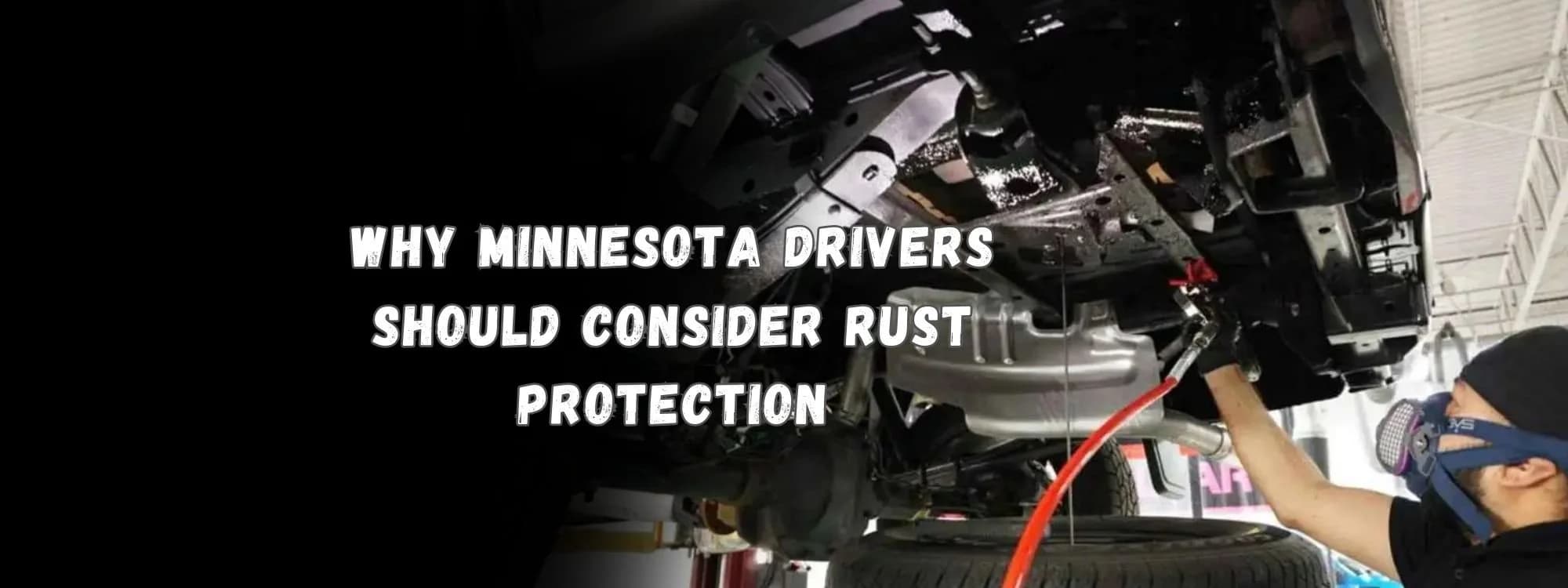
Living in Minnesota means salt, slush, brine, snow, and constant freeze–thaw cycles every winter. These conditions take a serious toll on the underside of your vehicle — even on newer, high-value cars.
At Yelo Autosports, we use lanolin-based rust protection because it performs extremely well in harsh winter environments and helps protect your investment long-term. All of our personal vehicles have lanolin on them and we've seen first-hand how it preserves frames.
Below, we break down the key questions most Minnesota drivers ask.
WHAT IS LANOLIN-BASED RUST PROTECTION MADE FROM, AND WHY DOES IT BOND WELL TO MY UNDERCARRIAGE?
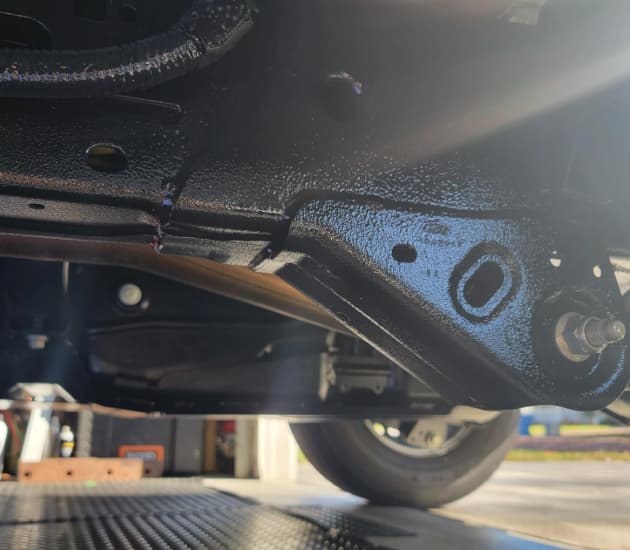
Lanolin rust protection is made from purified oils taken from sheep's wool. It naturally repels water, stays flexible in freezing temperatures, and creeps into metal seams, bolts, welds, and gaps where traditional petroleum coatings can't reach.
Because it never hardens, it forms a self-healing barrier that keeps moisture and oxygen away from steel — the two things needed for rust to form. This deeper penetration makes lanolin more reliable than thick rubberized sprays, which can crack or trap moisture underneath.
WHY IS LANOLIN RUST PROTECTION ESPECIALLY BENEFICIAL IN MINNESOTA'S CLIMATE?
Minnesota's winter driving conditions create the perfect environment for corrosion. Salt, brine solution, road slush, and temperature swings all work together to accelerate rust.
Lanolin performs extremely well here because it doesn't wash off easily and prevents salt from sticking to the metal. Even in sub-zero weather, it stays soft and protective rather than cracking. As car enthusiasts at Yelo, we constantly buy and sell our own vehicles — and we know that finding a clean, rust-free vehicle in this state is tough, especially as you go back in years. This has even made some of us travel out of state.
HOW DOES LANOLIN ACTUALLY STOP RUST FROM FORMING?
Rust happens only when metal, oxygen, and moisture interact. Lanolin stops this by bonding to the metal and pushing out moisture while coating the surface with a hydrophobic layer. This prevents the electrochemical reaction that creates rust.
Unlike rubberized undercoating, lanolin doesn't trap moisture — meaning it avoids creating hidden rust spots. And unlike cheap oil sprays that evaporate or drip off, lanolin stays in place for years.
WHAT PREPARATION PROCESS DOES YELO AUTOSPORTS USE BEFORE APPLYING LANOLIN?
We start with a deep underbody power wash to remove salt, dirt, and road grime. If needed, we use degreasers to clean oily areas. After washing, the entire underside is dried thoroughly — lanolin bonds best to a clean, dry surface.
Only then do we apply the lanolin coating to all exposed metal components, including frame rails, welds, suspension parts, brake lines, and fuel tank straps (excluding the exhaust). Each step ensures strong adhesion and long-lasting winter protection.
HOW LONG DOES LANOLIN RUST PROTECTION LAST IN MINNESOTA?
A lanolin application typically lasts 2–3 years, depending on driving habits and winter severity. Most Minnesota drivers experience around 18–24 months of solid performance.
Mild winters or lower mileage can extend that timeframe. Heavy salt exposure or frequent gravel-road driving may shorten it slightly. Even in tough winters, lanolin lasts significantly longer than basic oil sprays. Prevention is the best solution if you're going to drive your vehicle year-round.
WHICH PARTS OF A VEHICLE BENEFIT MOST FROM LANOLIN?
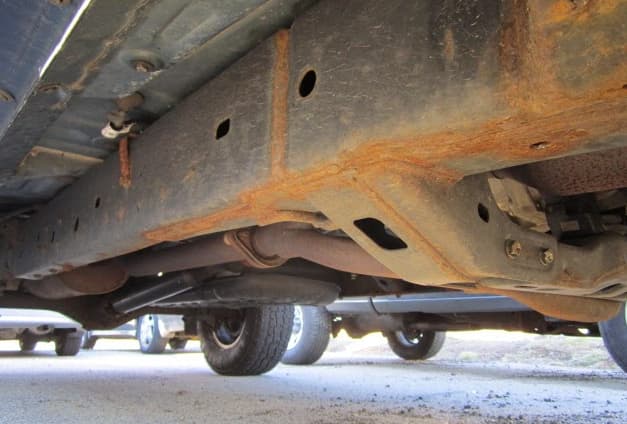
Any metal surface exposed to salt can corrode, but high-risk areas include frame rails, suspension components, rocker panels, weld seams, brake lines, fuel tank straps, and subframes.
These are the parts that cost the most to repair once rust sets in. Lanolin protects these surfaces by creating a barrier so salt and moisture cannot sit directly on the metal — keeping the underside clean, healthy, and structurally sound.
HOW CAN LANOLIN RUST PROTECTION INCREASE LONG-TERM ENJOYMENT AND RESALE VALUE?
A clean, rust-free underside means fewer surprise repairs and a vehicle that stays safe and reliable longer. When you sell — especially a vehicle worth $60k or more — a rust-free underbody becomes a major selling point.
Buyers, dealers, and inspectors all look underneath first. A clean frame and suspension signal proper maintenance and significantly boost resale. If your interior is clean, the paint is polished, and the underside is protected, your vehicle stands out immediately in the Minnesota market.
At Yelo we have one goal: help you keep maximum value in your vehicle.
Tags
QUESTIONS WE HAVEN'T COVERED?
Call the shop or send a message — same way we explain it on the videos.